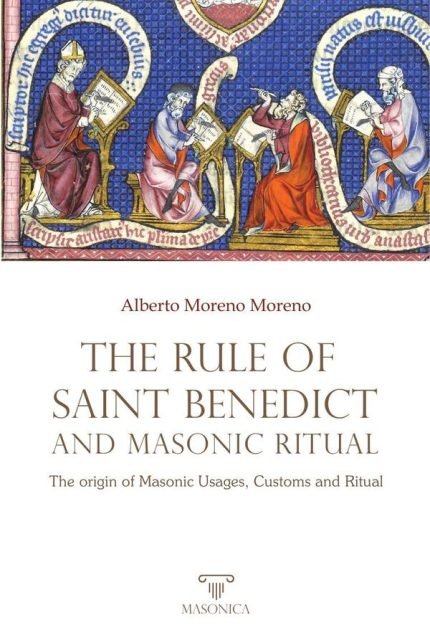
The Rule of Saint Benedict and Masonic Ritual: The origin of Masonic Usages, Customs and Ritual

$258,895

Tu compra es fácil y rápida

Múltiples métodos de pago

Envío estimado de 5 a 12 días hábiles

Compra segura y garantizada

70 ¡Personas viendo este producto ahora!
Descripción

During the 12th century, the Cistercian Order, which followed the Benedictine Rule, founded numerous abbeys in England, and many masons joined the order as lay brothers or ?converts.? Because of their participation in monastic life, masons incorporated elements from both the Benedictine Rule and the Cistercian Ritual into their own usages and ceremonies. Among the elements coming from the monastic customs and rituals we find expressions such as ?free and of good report? and ?just and perfect,? as well as the Sign of Grief and Distress, the prayers, the examination of the candidates, the posture during the Obligation, the need to render the masonic oath into a Solemn Obligation by kissing the Volume of the Sacred Law, the participation of the Brethren in the reception of the neophyte, the Charity Test or the custom of taking the new brother to a seat near the Senior Deacon. The Festive Board also follows accurately the monastic customs, as it borrows from monastic usages the arrangement of the table, the blessings, the location of the Master and the Wardens, and the Toast List, particularly the Toast to Absent Brethren and the Tyler?s Toast. Rather than speaking of influence, the reality is that the Benedictine Rule and the Cistercian Ritual formed the crucible where the Masonic ritual was forged.

Información adicional
AutorAlberto Moreno Moreno
EditorialEntreacacias
IdiomaInglés
Valoraciones (0)

Valoraciones

No hay valoraciones aún.

Sé el primero en valorar “The Rule of Saint Benedict and Masonic Ritual: The origin of Masonic Usages, Customs and Ritual”

Tu dirección de correo electrónico no será publicada. Los campos obligatorios están marcados con *

Tiempos de entrega

INFORMACIÓN SOBRE TIEMPOS DE ENTREGA

Tiempos de entrega

Los tiempos de entrega pueden variar según:

  • País o ciudad de destino

  • Disponibilidad del producto en el sistema de Bibliomanager

  • Capacidad logística del transportista asignado

En general, los envíos suelen tardar entre 5 y 12 días hábiles, dependiendo de la ubicación del cliente.
Los tiempos son estimados y pueden variar por factores externos (clima, eventos locales, fechas especiales, etc.).