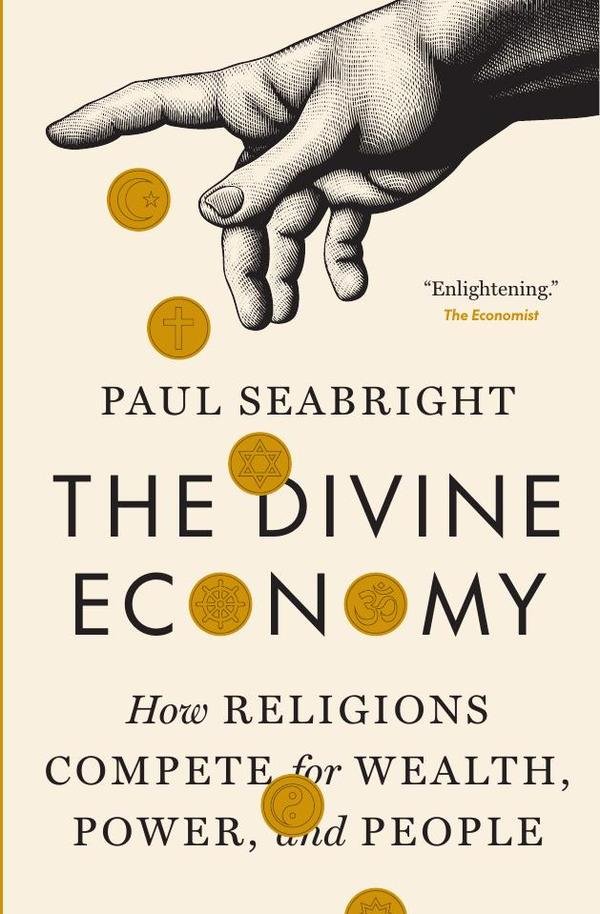
The Divine Economy: How Religions Compete for Wealth, Power, and People

$163,750

30 Artículos vendido en el último 3 meses
Pídelo hoy y recíbelo aprox. entre el 25 de jun y el 29 de jun
  • Pago 100% seguro
  • Envío con seguimiento
  • Compra protegida

Desliza para ver más

Envío estimado

Recibe tu libro en 5 a 12 días hábiles, según ciudad y disponibilidad.

Envíos a Colombia

Despachamos a ciudades principales y municipios con aliados logísticos confiables.

Empaque protegido

Tu pedido viaja cuidadosamente empacado para que llegue en buen estado.

Compra protegida

Te acompañamos antes, durante y después de recibir tu libro.

Medios de pago aceptados: Visa, Mastercard, American Express, Diners Club, Apple Pay, Google Pay y PSE — pagos protegidos por Stripe
5 ¡Personas viendo este producto ahora!
Descripción

Longlisted for the Financial Times and Schroders Business Book of the Year AwardA novel economic interpretation of how religions have become so powerful in the modern worldReligion in the twenty-first century is alive and well across the world, despite its apparent decline in North America and parts of Europe. Vigorous competition between and within religious movements has led to their accumulating great power and wealth. Religions in many traditions have honed their competitive strategies over thousands of years. Today, they are big business; like businesses, they must recruit, raise funds, disburse budgets, manage facilities, organize transportation, motivate employees, and get their message out. In The Divine Economy, economist Paul Seabright argues that religious movements are a special kind of business: they are platforms, bringing together communities of members who seek many different things from one another—spiritual fulfilment, friendship and marriage networks, even business opportunities. Their function as platforms, he contends, is what has allowed religions to consolidate and wield power.This power can be used for good, especially when religious movements provide their members with insurance against the shocks of modern life, and a sense of worth in their communities. It can also be used for harm: political leaders often instrumentalize religious movements for authoritarian ends, and religious leaders can exploit the trust of members to inflict sexual, emotional, financial or physical abuse, or to provoke violence against outsiders. Writing in a nonpartisan spirit, Seabright uses insights from economics to show how religion and secular society can work together in a world where some people feel no need for religion, but many continue to respond with enthusiasm to its call.

Información adicional
AutorPaul Seabright
EditorialPrinceton University Press – 30
IdiomaInglés
Valoraciones (0)

Valoraciones

No hay valoraciones aún.

Sé el primero en valorar “The Divine Economy: How Religions Compete for Wealth, Power, and People”

Tu dirección de correo electrónico no será publicada. Los campos obligatorios están marcados con *

Tiempos de entrega

INFORMACIÓN SOBRE TIEMPOS DE ENTREGA

Tiempos de entrega

Los tiempos de entrega pueden variar según:

  • País o ciudad de destino

  • Disponibilidad del producto en el sistema de Bibliomanager

  • Capacidad logística del transportista asignado

En general, los envíos suelen tardar entre 5 y 12 días hábiles, dependiendo de la ubicación del cliente.
Los tiempos son estimados y pueden variar por factores externos (clima, eventos locales, fechas especiales, etc.).